
Building the Evidence Base for Conservation in the Gariep Region
Earlier this month, the National Museum of Namibia undertook another field expedition to the Warmbad area, south of Karasburg, as part of the JRS Biodiversity Foundation project, “Incorporating Succulent Plant and Animal Species Information into Conservation Planning.”

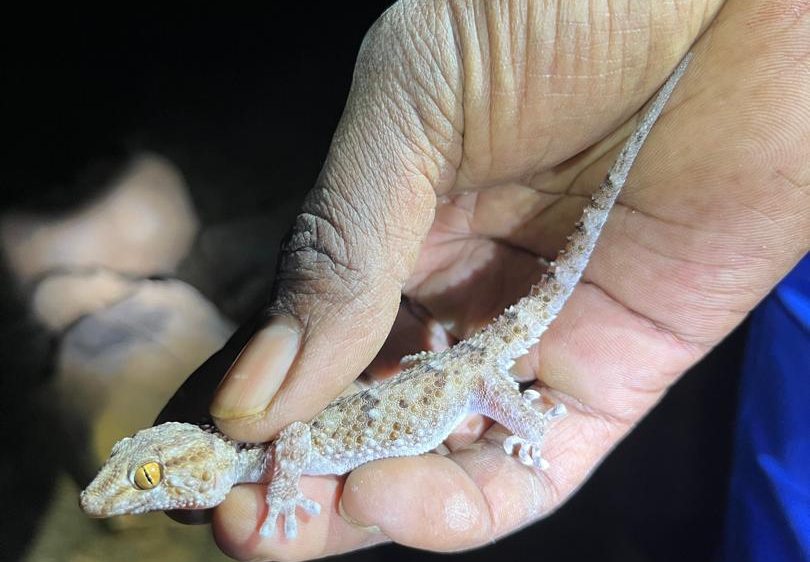
The multidisciplinary team included senior curators, curators, technicians, and technical assistants from the Museum’s collections of Mammalogy, Arachnology, Herpetology, and Ichthyology, alongside the Project Junior Technician and Project Intern. During the expedition, specimens of small mammals, reptiles, insects, arachnids, and aquatic invertebrates were carefully documented and collected to strengthen scientific records.
This work is particularly significant within the Gariep Centre of Endemism, a biologically rich transitional zone where the Nama Karoo and Succulent Karoo biomes intersect. The region forms part of the globally recognised Succulent Karoo biodiversity hotspot, known for its exceptional plant diversity and high levels of endemic species. Despite its ecological importance, biodiversity data gaps remain in southeastern Namibia.
The JRS project addresses these gaps by improving baseline species data and refining knowledge of species distributions. Accurate specimen records serve as permanent scientific evidence of species presence, supporting taxonomy, long-term ecological monitoring, and evidence-based conservation planning.
From a broader perspective, the Museum’s fieldwork contributes essential biodiversity information that strengthens conservation frameworks and enhances understanding of Namibia’s unique ecosystems. By building robust scientific datasets, initiatives such as this help inform sustainable environmental management and guide decision-making aimed at protecting the Gariep Centre of Endemism for future generations.


