
Kavango Regional Associations Convene Multi-Stakeholder Dialogue to Strengthen Inclusive Environmental Governance
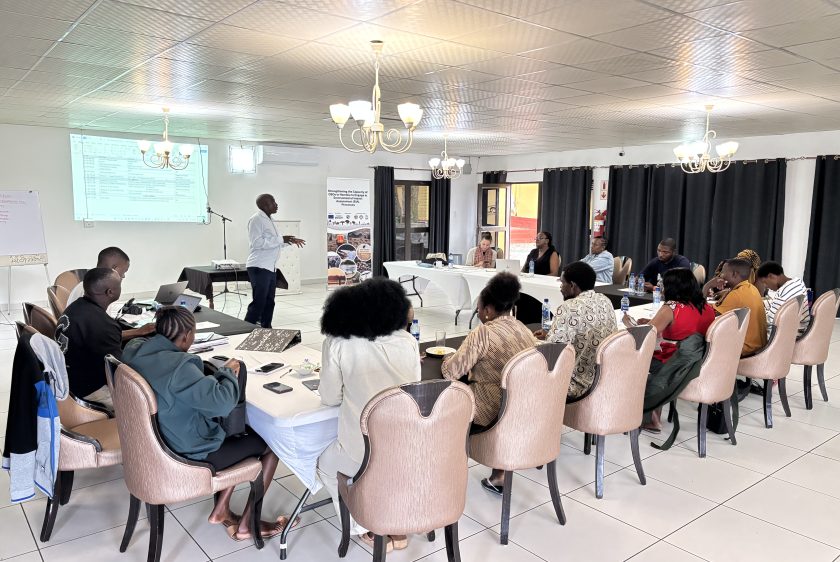
The Kavango East and West Regional Conservancies and Community Forest Association recently hosted a significant Multi-Stakeholder Dialogue in Rundu. The dialogue, attended by 42 participants, was aimed at strengthening collaboration in environmental governance and promoting inclusive participation in development processes. The meeting, officially opened by the Regional Governor, Hon. Julius Hambyuka, brought together a diverse range of stakeholders, including community representatives, traditional authorities, local authorities, and civil society organisations.
A key highlight of the dialogue was the presence of traditional leaders, who added critical value to the discussions, particularly on issues related to land allocation and customary land rights within the Kavango Regions. Their insights underscored the need to harmonise formal environmental processes with traditional governance systems to ensure sustainable and conflict-sensitive development. Representatives from the traditional authorities also requested the regional association to arrange a meeting in order for the two bodies to discuss and find solutions to issues affecting their operation.
Executive members for the Southern Kunene Conservancy Association (SKCA) attended the multistakeholder meeting through a peer-to-peer learning approach. This platform allowed participants to exchange practical experiences and lessons on community-based natural resource management, emphasising the importance of local knowledge in environmental decision-making.
Also in attendance was the European Union Programme Manager, Ms Tanja Narder, who joined the dialogue to gain first-hand experience of the communities and stakeholders involved in projects supported under EU initiatives. Her participation demonstrated a commitment to grounded, people-centred development and provided an opportunity to better understand local challenges and expectations.
The central focus of the dialogue was on development activities that require Environmental Impact Assessments (EIA). Stakeholders engaged in meaningful discussions on how to improve the effectiveness of the EIA process, with particular emphasis on ensuring the inclusion of Community-Based Organisations (CBOs). Participants highlighted that meaningful community involvement is essential for transparency, accountability, and the long-term sustainability of development interventions.
Discussions also addressed ongoing challenges in land allocation across the Kavango Region. Stakeholders acknowledged the complexity of balancing development needs with environmental protection and community rights. There was a shared understanding that improved coordination between government authorities, traditional leaders, and local communities is necessary to avoid conflicts and ensure equitable land use.
The dialogue concluded with a strong call for continued engagement among all stakeholders, capacity building for communities, and the strengthening of platforms that enable inclusive participation in environmental governance processes. By fostering collaboration and shared responsibility, the Kavango Regional Associations’ Multi-Stakeholder Dialogue marked an important step toward sustainable and inclusive development in the region.
The dialogue is expected to contribute to stronger and more inclusive environmental governance in both the Kavango Regions by improving cooperation between government institutions, traditional authorities, local communities, and civil society organisations. Through increased community participation in EIA processes and natural resource management, the initiative aims to promote transparency, accountability, and sustainable development practices. The project also seeks to strengthen community capacity, encourage the integration of traditional knowledge into formal decision-making systems, and improve coordination in land allocation processes to reduce conflicts and support equitable land use across the region.


